For businesses dealing with dates, whether in retail, food production, or export, purchasing kurma harga borong (wholesale rates) can be a game-changer. Buying in bulk offers numerous advantages, from cost savings to better inventory management. But how exactly can businesses maximize these benefits? Let’s explore the key reasons why opting for wholesale purchases is a smart move.
One of the most immediate benefits of buying bulk kurna is significant cost savings. Wholesale suppliers offer lower per-unit prices compared to retail purchases, allowing businesses to reduce their overall expenses. This is especially important for companies that rely on dates as a key ingredient or product. Lower procurement costs mean higher profit margins, which can be reinvested into the business or passed on to customers for competitive pricing.
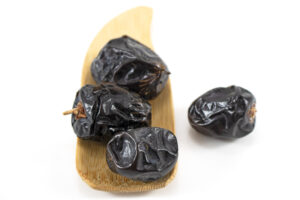
Another advantage is consistent supply. Businesses that depend on a steady flow of dates can avoid stock shortages by purchasing in bulk. Seasonal fluctuations and supply chain disruptions can make retail purchases unreliable, but wholesale buying ensures that inventory levels remain stable. This is crucial for businesses that operate year-round, such as supermarkets, bakeries, and exporters. Having a dependable stock of kurma means fewer delays and happier customers.
Quality control is another factor to consider. When buying kurma, businesses often have the opportunity to inspect and select higher-quality batches. Many wholesalers provide samples or allow buyers to check the product before committing to large orders. This ensures that only the best dates make it to shelves or production lines, maintaining brand reputation and customer satisfaction.
Bulk purchases also open doors for customization. Some wholesalers offer options like specific packaging, pre-sorted grades, or even private labeling. This is particularly useful for businesses that want to create their own branded date products. Custom packaging can enhance marketability, making products stand out in a competitive marketplace.
For businesses involved in food processing, buying kurma in bulk ensures a steady supply of raw materials. Whether used in energy bars, desserts, or health snacks, having a large stock of dates means uninterrupted production. This reduces downtime and helps maintain consistent product quality, which is essential for building customer trust.
One of the most underrated yet valuable benefits of buying kurma at bulk prices is the opportunity to build long-term relationships with trusted suppliers. In the world of wholesale trade, consistency and reliability matter just as much as price. When businesses commit to regular bulk purchases, they position themselves as valued clients, which often leads to preferential treatment and additional perks that aren’t available to one-time buyers.
A strong supplier relationship starts with trust. When a wholesaler sees that a business is a repeat customer with steady order volumes, they are more likely to offer exclusive discounts or negotiate better pricing terms. Unlike retail buyers who pay standard rates, loyal wholesale clients may receive special rates, especially when purchasing large quantities over an extended period. Over time, these savings add up, significantly improving a business’s bottom line.
Another advantage is priority access to high-demand stock. During peak seasons—such as Ramadan or festive periods—dates can sell out quickly. Suppliers naturally prioritize their long-term clients when allocating limited inventory. This means businesses with established relationships are less likely to face stock shortages, even when market demand is at its highest. Some wholesalers may even reserve batches in advance for their most reliable buyers, ensuring they never miss out on key sales opportunities.
Beyond pricing and availability, long-term partnerships can also lead to more flexible payment terms. Some suppliers offer extended credit periods or installment options to trusted buyers, easing cash flow pressures. This can be particularly helpful for small and medium-sized businesses that need to manage their finances carefully while maintaining inventory levels.
Additionally, a dependable supplier relationship reduces the risk of inconsistent quality. When working with the same wholesaler over time, businesses become familiar with the product standards and can provide feedback for improvements if needed. Suppliers who value long-term partnerships are more likely to address concerns promptly, ensuring that the kurma delivered meets expectations every time.
Finally, strong supplier connections can open doors to new opportunities. Some wholesalers may introduce buyers to premium or rare date varieties before they hit the market. Others might offer joint marketing support, such as promotional materials or bulk purchase incentives, helping businesses attract more customers. In some cases, suppliers may even recommend a business to other industry contacts, expanding networking and growth possibilities.
In an industry where supply chain reliability can make or break a business, nurturing long-term wholesale relationships is a smart investment. The benefits—better pricing, priority stock access, flexible terms, and consistent quality—create a competitive edge that helps businesses thrive in both stable and challenging market conditions.