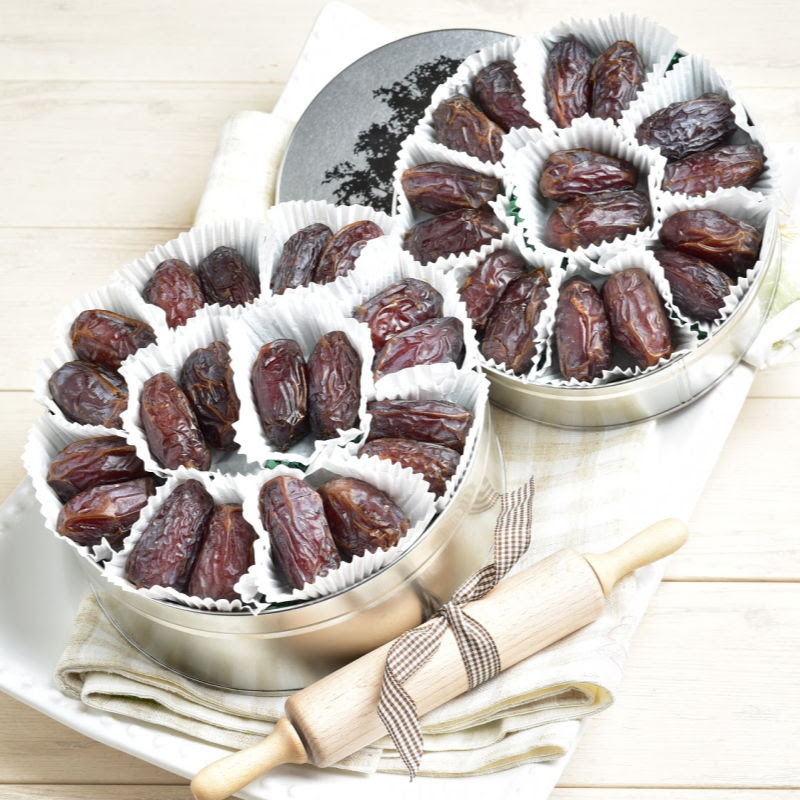
Finding the right kurma supplier can be a make-or-break decision for any dates business. With the growing demand for high-quality dates and a competitive marketplace, it’s crucial to know what sets a trusted supplier apart from the rest. Whether you’re sourcing for bulk purchase or long-term partnership, you need someone who consistently delivers freshness, fair pricing, and professionalism. This listicle walks you through the 10 key signs to help you make an informed choice.
1. Freshness Guarantee Backed by Proof
A trustworthy kurma supplier should offer more than just claims — they should back their freshness guarantee with transparent documentation. Look for suppliers who provide information about their storage facilities, temperature controls, and harvest timelines. Dates lose quality quickly when stored improperly. If the supplier can show evidence that their products are stored in climate-controlled environments and distributed within optimal freshness windows, you’re on the right track.
Additionally, reputable suppliers often conduct internal quality checks or even third-party audits. Don’t hesitate to ask for a sample to judge the texture, moisture, and aroma yourself. A reliable supplier won’t shy away from proving their quality.
2. Clear, Consistent Communication
Smooth communication is a major indicator of professionalism. Reliable suppliers respond promptly, address your questions clearly, and are upfront about everything from availability to pricing. You should feel confident asking about packaging options, delivery schedules, and storage instructions.
If you find yourself chasing replies or getting vague answers, it’s a red flag. Inconsistent communication leads to mismanagement, delivery issues, and unmet expectations. Choose someone who values transparency and is easily reachable through multiple channels — email, phone, or even WhatsApp.
3. Detailed Product Information
A good dates supplier doesn’t just list the type of dates they’re offering — they provide detailed specs. This includes harvest region, variety characteristics (like sweetness, size, and texture), shelf life, and recommended storage conditions.
More advanced suppliers might even include Brix levels (sugar content), certifications (organic, Halal), and pesticide reports. The more informed you are, the better decisions you can make for your customers. Remember, ambiguity around product specs can cost your business in both reputation and revenue.
4. Competitive, Transparent Pricing
Competitive pricing doesn’t mean the cheapest — it means a fair deal for the quality you’re getting. A reliable supplier is upfront about their price structure, including bulk discounts, seasonal changes, and shipping costs. You shouldn’t have to guess what’s included in the price.
If a quote sounds too good to be true, it probably is. Ultra-low prices often come with hidden compromises like poor freshness or delayed shipping. A professional supplier will clearly explain what you’re paying for and may even suggest ways to optimize your budget without cutting corners on quality.
5. Strong Packaging Standards
Poor packaging can ruin even the freshest batch of dates. When assessing a dates supplier, pay close attention to how they handle packaging. Are the dates vacuum-sealed, packed in food-grade material, and labeled correctly? Does the packaging protect the fruit from moisture, pests, and air exposure?
Well-packaged dates not only maintain freshness longer but also enhance the presentation for your customers. Reliable suppliers invest in packaging solutions that preserve product integrity during transport and storage. This is particularly vital if you’re importing or shipping over long distances.
6. Steady Supply Capacity
You might start small, but a dependable supplier should have the capacity to grow with your business. Whether you need 100kg or several tons, they should be able to fulfill your order without compromising on timing or quality.
Ask about their sourcing network, production capacity, and peak-season stock availability. Can they handle urgent orders or fluctuations in demand? Do they offer scheduling options or standing orders? Long-term reliability often hinges on consistent stock management — a key trait of seasoned suppliers.
7. Positive Reputation and Word of Mouth
Even in the digital age, word of mouth is powerful. Ask around in business circles, online forums, or trade expos for opinions on suppliers you’re considering. Look for testimonials from businesses similar to yours, especially those that have worked with the supplier over time.
Reviews and referrals often give a clearer picture than glossy websites. A supplier who consistently delivers on time, maintains product quality, and honors agreements will have a solid reputation that speaks for itself.
8. Ethical Sourcing and Compliance
Sourcing ethics and legal compliance are becoming increasingly important, especially for businesses selling to conscious consumers. A responsible kurma supplier should adhere to local and international regulations on food safety, labor laws, and trade practices.
Look for certifications like HACCP, ISO, or organic verification. These indicate a level of accountability and professionalism. You can also inquire about their relationship with farmers and harvesting methods. Ethical sourcing builds trust not just between you and the supplier but also with your own customer base.
9. Flexibility in Custom Orders
Every business has unique needs. Maybe you want custom branding on the packaging, a mix of date varieties, or specific sizes. A reliable supplier will be open to these requests and work with you to fulfill them — within reason.
Rigid suppliers often struggle to adapt, especially as your business evolves. On the other hand, those who offer flexibility tend to be more engaged partners. They understand that every market segment has different demands and are willing to help you meet them.
10. Efficient Logistics and Delivery
Timely delivery is everything in the food business. Delays can mean lost customers or wasted stock. A dependable supplier understands the logistics game — whether it’s local distribution or international shipping.
They should provide clear delivery timelines, tracking options, and contingency plans in case of delays. Ask about their shipping partners and how they handle customs documentation if you’re importing. Efficiency in logistics reflects how seriously a supplier takes your business.
Final Thoughts
Choosing a reliable kurma supplier requires more than just comparing prices. It’s about evaluating their ability to deliver consistent quality, maintain clear communication, and grow with your business. By focusing on the ten factors above, you’ll be better equipped to make a decision that supports your long-term goals.
The ideal supplier is not just a vendor — they’re a partner who helps your business thrive. Take the time to vet thoroughly, ask the right questions, and trust your instincts when something feels off. In the long run, working with someone reliable will save you time, money, and stress.
If you’re serious about offering the best dates to your customers, finding the right supplier is the first step to success. Use these guidelines to narrow your choices and build a foundation for strong, lasting partnerships.