
Across Malaysia, kurma has held a cherished place in cultural traditions, often associated with religious practices, hospitality, and seasonal festivities. At the same time, the world has begun to look at dates through a new lens, celebrating them not only for their taste but for their reputation as a modern superfood. This contrast between local traditions and global demand provides fascinating insights into how kurma is appreciated differently depending on cultural and nutritional perspectives.
Kurma in Malaysian Traditions
In Malaysia, kurma carries deep symbolic meaning. Families often serve dates during festive seasons, particularly during Ramadan when breaking the fast with a date is a customary practice. This tradition is rooted in centuries of cultural significance, where the fruit represents nourishment, community, and spirituality.
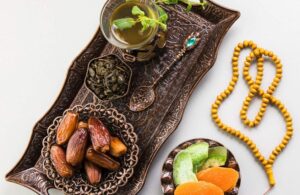
Beyond religious practices, kurma also serves as a common gift. Sharing dates is seen as a gesture of goodwill, making them popular offerings at gatherings and family events. Their long shelf life and natural sweetness make them ideal for both hospitality and celebration.
Everyday Consumption
While festive occasions highlight their importance, many households in Malaysia keep kurma stocked year-round. They are consumed as natural snacks, often paired with tea or coffee, and incorporated into sweet dishes. For the average consumer, dates are not merely a functional food but part of a lifestyle woven into daily life.
The Global Shift Toward Superfoods
In contrast, the global market is increasingly viewing dates as part of the modern superfood trend. Shoppers in Europe, North America, and other regions often purchase dates for their health benefits rather than their cultural value. These consumers seek out nutrient-dense foods that offer natural energy and support wellness goals.
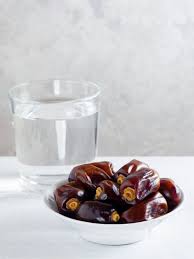
Dates are now featured in protein bars, smoothies, plant-based desserts, and even as refined sugar replacements in baking. Their naturally high fiber, potassium, and antioxidant content give them an edge in health-conscious markets. In this context, dates are being rebranded as functional foods rather than cultural staples.
The Nutritional Narrative
The narrative surrounding dates abroad emphasizes scientific studies, nutrition labels, and health claims. Unlike in Malaysia, where emotional and cultural connections drive demand, international buyers are persuaded by evidence that dates support digestion, regulate blood sugar when paired with other foods, and provide clean energy.
Differences in Buying Habits
The way dates are purchased further highlights the differences. In Malaysia, kurma is often sold in bulk or presented in decorative boxes during festive seasons. Buyers value variety, freshness, and presentation, with some households choosing premium types for special occasions and more common types for everyday snacking.

Globally, however, dates are packaged and marketed differently. They may be portioned into resealable bags for convenience, labeled as organic, or highlighted as gluten-free and vegan-friendly. Branding plays a critical role in appealing to health-focused buyers who are willing to pay a premium for perceived quality.
Kurma as a Social Connector
In Malaysian society, the purchase of kurma often revolves around community. Bulk buying is common for family gatherings or charity purposes, reinforcing the social dimension of the fruit. The focus is not on labels or certifications but on accessibility and tradition.
Opportunities for Retailers and Wholesalers
The coexistence of traditional and modern demand creates opportunities for businesses. Retailers and wholesalers in Malaysia can appeal to both cultural buyers and health-driven consumers by positioning kurma in multiple ways.
For instance, a kurma wholesale business could cater to festive bulk buyers while also offering smaller, branded packs designed for health-conscious individuals. Similarly, a dates supplier Malaysia can highlight the dual identity of dates, presenting them as both traditional staples and modern superfoods. This dual positioning bridges markets and ensures steady demand throughout the year.
Challenges in Balancing Two Narratives
Despite the opportunities, balancing tradition and modernity comes with challenges. Overemphasizing the superfood narrative may alienate traditional buyers who value kurma for cultural reasons, while ignoring global health trends could limit international appeal. Successful businesses must learn to communicate effectively to both audiences.
Adapting to Market Needs
Innovation in packaging, product development, and marketing strategies is essential. For local markets, maintaining affordability and accessibility remains key. For global markets, certifications like organic or fair trade can boost credibility. Balancing these priorities requires strategic planning and deep understanding of consumer behavior.
How Malaysia Fits into the Global Conversation
Malaysia’s strong ties to kurma consumption make it a central player in shaping global perceptions of dates. As local shops and wholesalers expand their reach through online platforms, they can showcase Malaysia’s cultural traditions while aligning with global health trends. This dual narrative helps the fruit maintain its authenticity while adapting to modern consumer expectations.
The Future of Kurma
Looking forward, kurma Malaysia is unlikely to lose its cultural importance. Instead, its role will expand, encompassing both traditional practices and modern wellness lifestyles. Retailers, wholesalers, and ordinary consumers can all play a part in this evolution by embracing both perspectives.
Conclusion
Kurma in Malaysia carries centuries of tradition, serving as a symbol of community, celebration, and spirituality. Globally, however, dates are reimagined as a superfood—marketed for their nutrients, convenience, and role in healthy living. These two perspectives reveal how kurma is uniquely versatile, able to connect people through culture while meeting the demands of modern wellness.
For businesses, the lesson lies in adaptation. By respecting cultural roots while embracing global health trends, retailers and wholesalers can expand their reach. For consumers, it is a reminder that a single fruit can hold both sentimental meaning and modern relevance, bridging the gap between tradition and innovation.